 01
01Operations agents
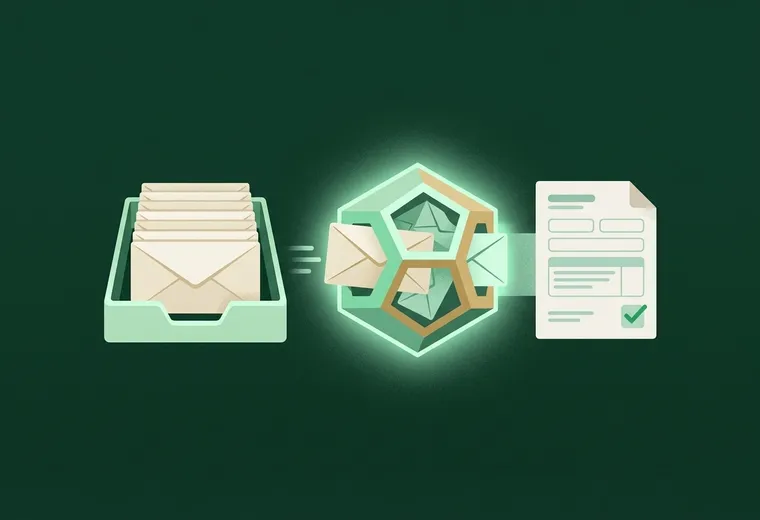
Read incoming requests, collect missing details, update approved systems and prepare the next action for a person to review.
When no product fits the job, we build the agent your work needs.
T10 builds agents around your documents, systems and decision points. If a product you can buy already does the job, we'll say so and set that up instead. When we build, we use the simplest reliable approach first, then fine-tune or train a model only when a well-defined task and strong examples show that custom training will produce a better result.
Discuss your AI plans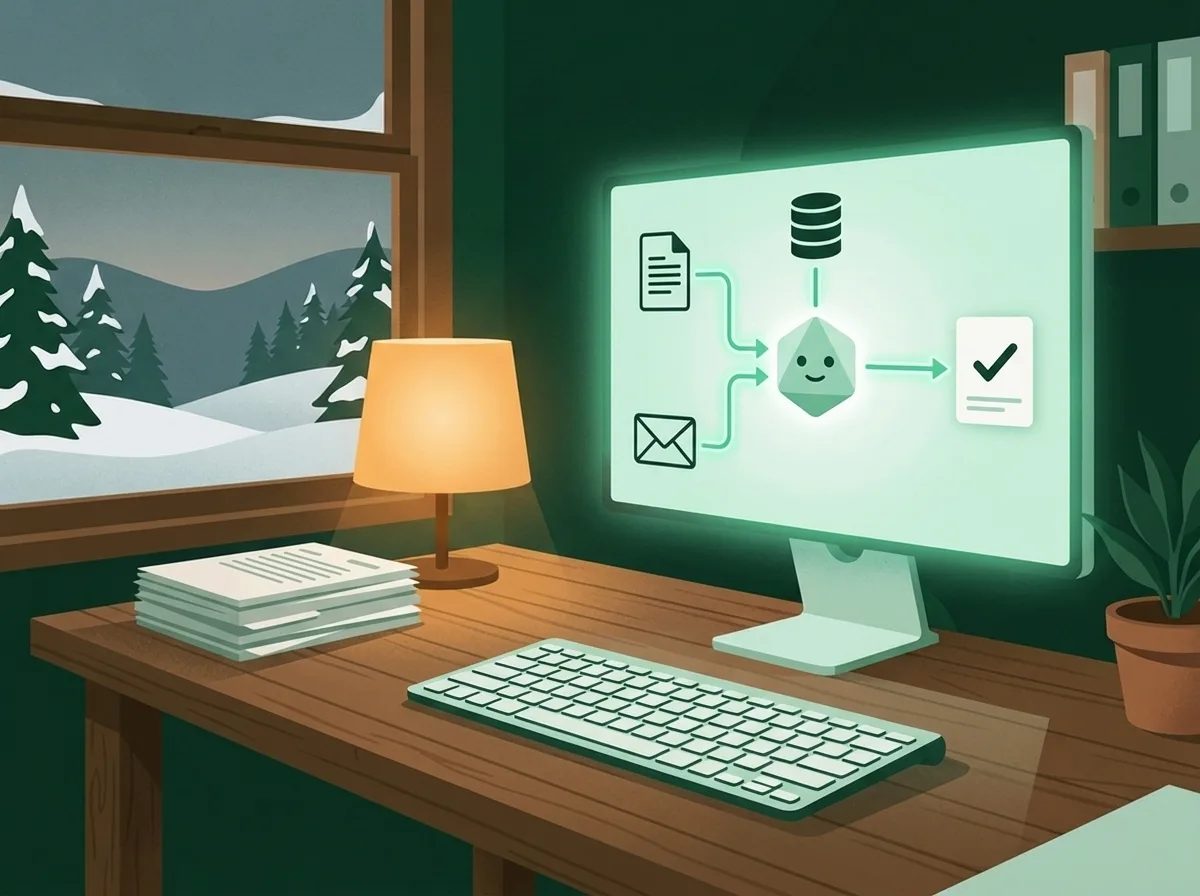
A concept film of one agent we could build for a trade shop. It reads the walk-around photos and notes, drafts the job ticket with a price range, and sends nothing to the customer until the owner approves it. The house, address and jobs are made up.
01Read incoming requests, collect missing details, update approved systems and prepare the next action for a person to review.
 02
02Find answers across policies, manuals, service history and product information while showing the source behind the response.
 03
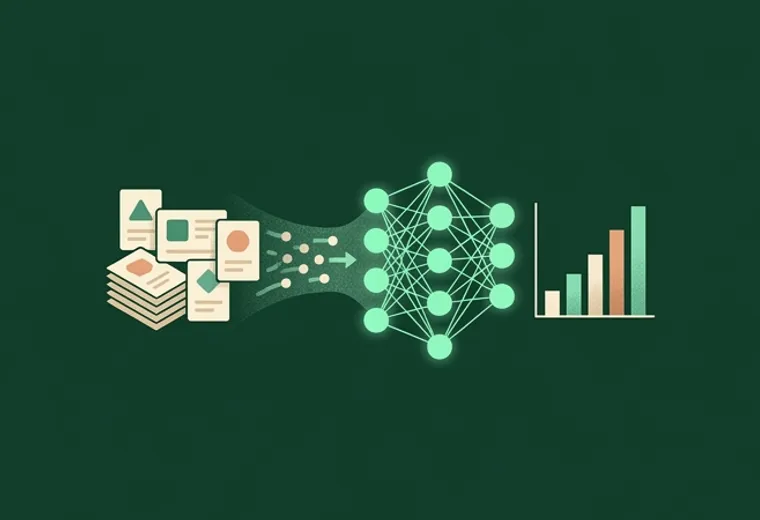
03Fine-tune or train for classification, extraction or other repeatable work when prompt-based approaches cannot meet a defined quality target.
Agree the task, the evidence the agent may use, what a correct result looks like and where exceptions go.
Connect the approved documents and business systems the agent needs, with permissions that match the people it serves.
Test against representative examples and success criteria before the agent is trusted; fine-tune or train a model only if evaluation shows it helps.
Launch with human approval on consequential steps, then hand over the code, configuration and operating notes.
Sometimes, and then we'll recommend it. Products such as Grok Bot handle a lot of routine work on websites and apps, and are much quicker to set up. A custom agent earns its place when the job touches sensitive systems, needs dependable behavior, or connects systems that no product covers well.
No. Many useful agents combine a capable existing model with controlled business data, tools and workflow rules. We recommend training only when evaluation shows it solves a real limitation.
We define representative test cases and success criteria before deployment, track failures and require handoff when evidence or confidence is weak. A polished demonstration is not a substitute for evaluation.
Most systems with an API or a reliable export: email, shared drives, CRMs, ERPs, ticketing and HR platforms. Our own assistants run on top of ServiceNow and Workday.
You do. You receive the code, configuration and notes on how it runs, so nothing stops working the day you stop paying us.
The first 30-minute planning call is free. We usually start with a focused proof of concept on one task, scoped and quoted before work begins.
New Boston · Statewide