 01
01Private model inference
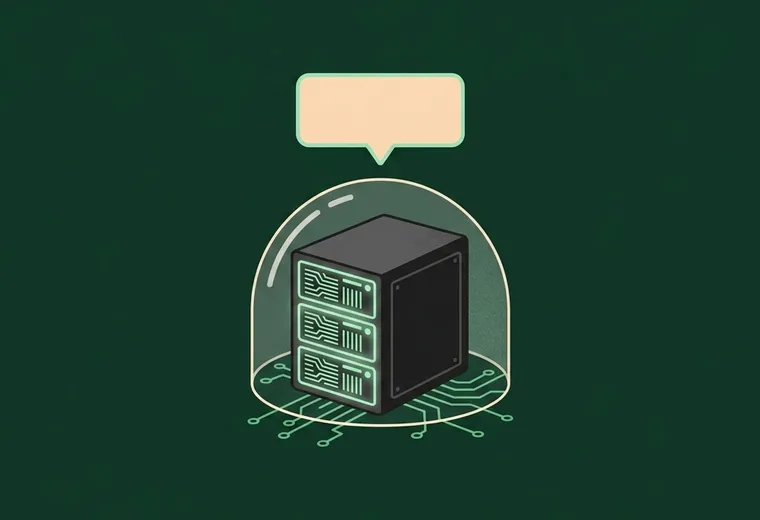
Run approved open or custom models on dedicated GPUs for internal assistants and repeatable workloads involving sensitive business information.
Dedicated GPU capacity for AI you want to keep under your control.
Some work can't be pasted into ChatGPT or any other public AI service: ITAR drawings, CUI from a defense contract, patient records, tax returns, privileged client files. T10 sizes, deploys and operates private GPU servers so that work can use AI too. Hosting can be on premises, dedicated hosted or hybrid, depending on the workload and the rules the data falls under.
Discuss your AI plans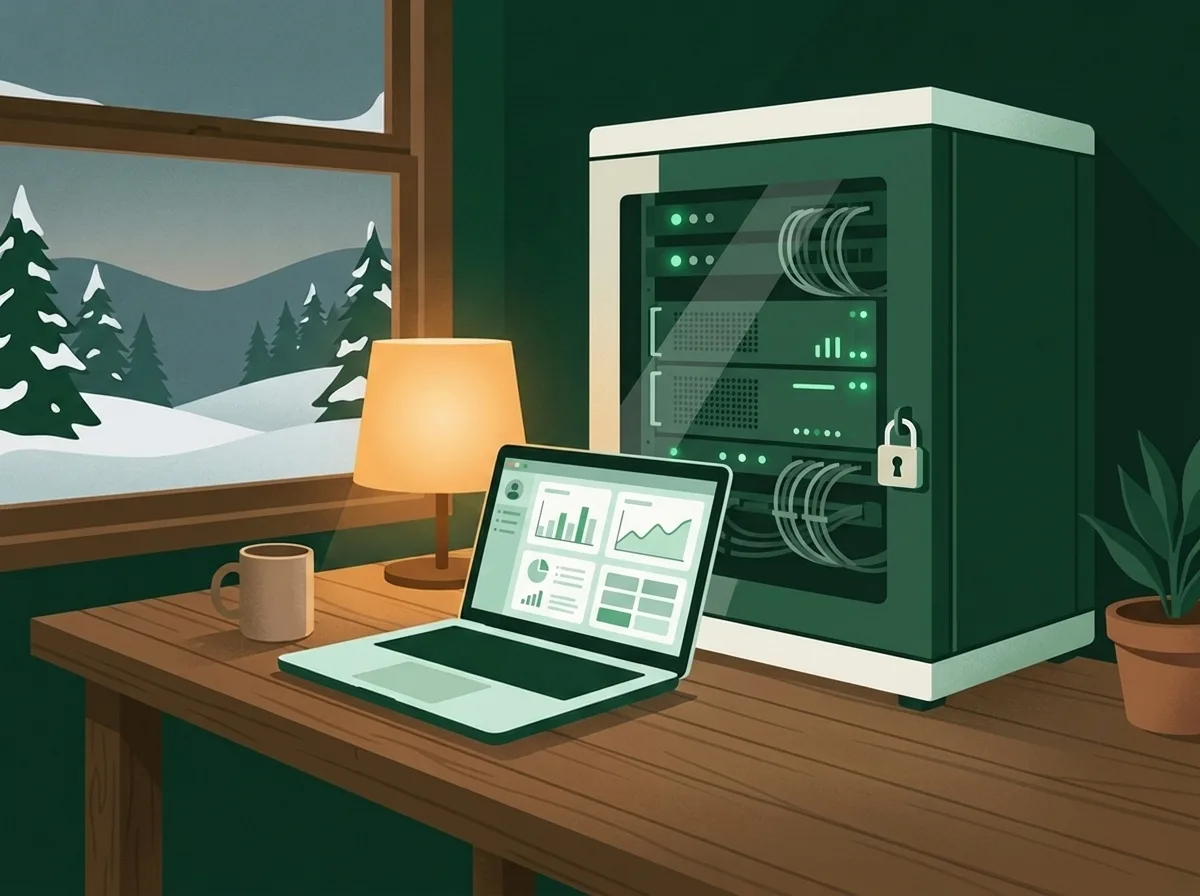
A concept film of a setup we could do for a 14-person accounting firm. T10 measures the work, writes down where client data may go and sizes a dedicated GPU server to it. Scanned forms are read and staff questions are answered on that server. Only approved jobs with no client data go to an outside model. The firm and documents are made up.
Many businesses would use AI on this work today if their contracts, regulators or customers allowed the files to go to a public AI service. A model running on hardware you control lets that work use AI, with access limited to the people your rules allow.
ITAR technical data (drawings, models, process sheets) can't be released to foreign persons, and a public AI service can't tell you who reads it or where it's stored. CUI on a DoD contract falls under DFARS 7012, NIST SP 800-171 and CMMC.
With private AI: Read RFQs and drawing packages, find the closest past job, draft the quote for the estimator, check a print against the spec.
Patient records are covered by HIPAA. The chatbots on staff phones don't come with a business associate agreement.
With private AI: Draft referral letters and visit summaries, pull history for prior-authorization forms, answer staff questions from your own protocols.
IRS Section 7216 limits how a preparer may disclose return information, and the FTC Safeguards Rule covers client financial data.
With private AI: Read scanned W-2s, 1099s and K-1s, organize a client's documents, answer staff questions from last year's files.
Client confidences and privileged material fall under the Rules of Professional Conduct. Uploading them to an outside service is a risk most firms won't take.
With private AI: Search discovery and past matters, summarize depositions, draft from the firm's own prior work.
Customer financial information falls under Gramm-Leach-Bliley, and examiners ask where it goes.
With private AI: Prepare client review notes, summarize statements and policies, draft follow-up letters for an advisor to sign.
Formulas, source code, pricing and customer data are often covered by NDAs or contracts that say the data stays in-house.
With private AI: Search engineering notes and test results, run a coding assistant on a private repository, answer questions from your own specifications.
Private hardware doesn't make you compliant on its own. We write down where data may go, who can reach it and how long logs are kept, so your compliance lead, assessor or attorney can check the design. They decide what the rules require.
01Run approved open or custom models on dedicated GPUs for internal assistants and repeatable workloads involving sensitive business information.
 02
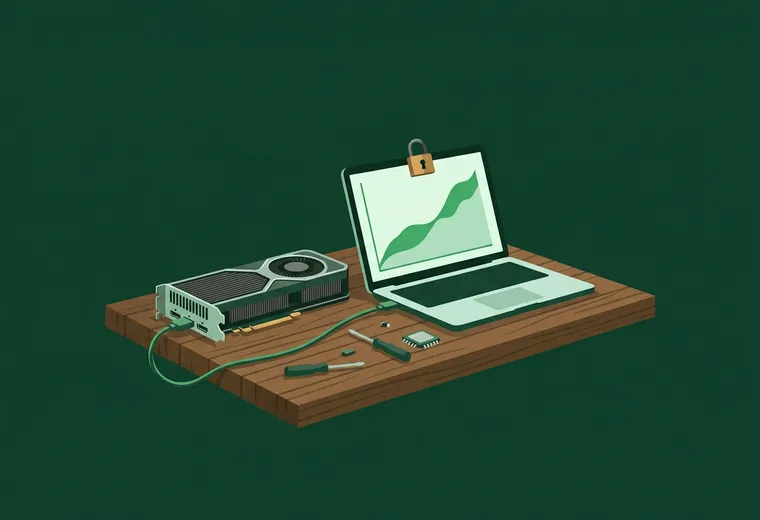
02Provide a controlled environment for evaluation, fine-tuning and model serving without moving training data through an unmanaged endpoint.
 03
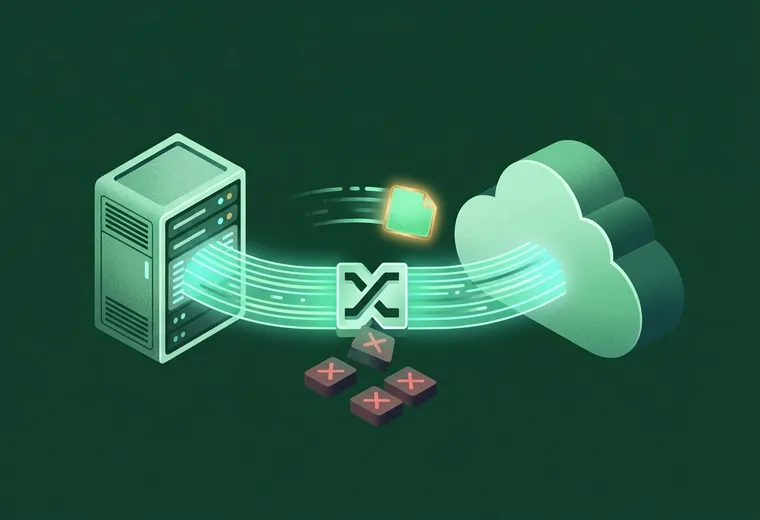
03Keep routine or sensitive work on private capacity while routing explicitly approved jobs to an outside model when its capabilities justify the choice.
Establish which models will run, at what volume and response time, and which data they will touch.
Choose dedicated hosted, hybrid or on-premise capacity and document the boundary for data, access, logs and retention.
Stand up the GPU environment, model serving and access controls, and test them against the real workload.
Run it with monitoring, updates, backups and an incident plan, or hand it to your team with the operating notes.
No. The right design may use dedicated hosted equipment, infrastructure you already operate, an on-premise system or a hybrid of those options. We choose after measuring the workload and information boundary.
Yes, if the model runs where your export-control and CMMC plans say that data may be. Usually that means on premises or on dedicated U.S. equipment, with access limited to the people your plan allows and nothing sent to a public AI service. We document the boundary so your compliance lead or assessor can review it.
Yes. Open-weight models running on your own server can read scanned forms, summarize records and draft letters, and the files stay inside your boundary. A person on your staff reviews anything that goes to a patient or client.
No. Hardware location is only one control. Identity, permissions, encryption, retention, backups, monitoring and operating procedures still matter, as do your legal and contractual obligations.
Open-weight and custom models for internal assistants, document extraction, search and embeddings, plus evaluation and fine-tuning work that should not pass through an unmanaged endpoint.
Yes. A hybrid design keeps routine or sensitive work on private capacity and sends explicitly approved jobs to an outside model when its capabilities justify it.
The first 30-minute planning call is free. We size the hardware to the measured workload and quote it before anything is bought or deployed.
New Boston · Statewide