aNewJob.com
aNewJob.com — AI-Powered Resume Builder ($5 Workflow)
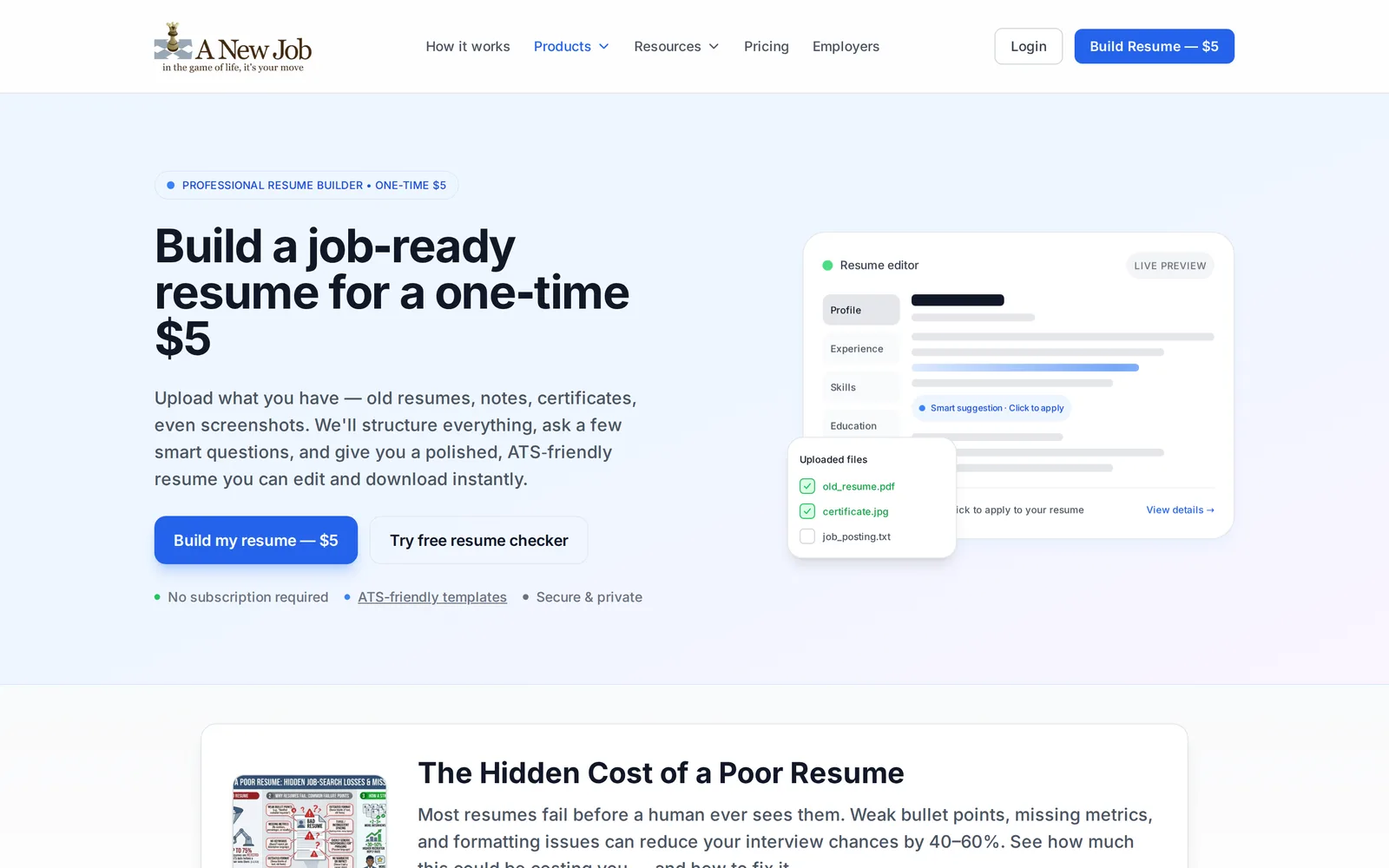
We built aNewJob.com, a production-grade career platform that turns messy PDFs, DOCX files, screenshots, notes, and LinkedIn exports into polished, ATS-ready resumes, cover letters, and mock interviews — all through a simple $5 workflow. It combines a multi-format ingestion pipeline with a lightweight RAG workflow and prompt-driven LLM orchestration to create structured, accurate resumes in minutes.
Problem
Most job seekers aren’t bad writers — they’re overwhelmed.
- Old resumes with inconsistent formatting
- Missing metrics, unclear bullets, vague responsibilities
- No structure, timelines, or keyword alignment
- Expensive resume writers ($200–$600)
- Existing tools lock people into subscriptions
People don’t need more templates. They need structure, clarity, and guidance — delivered fast.
What We Built
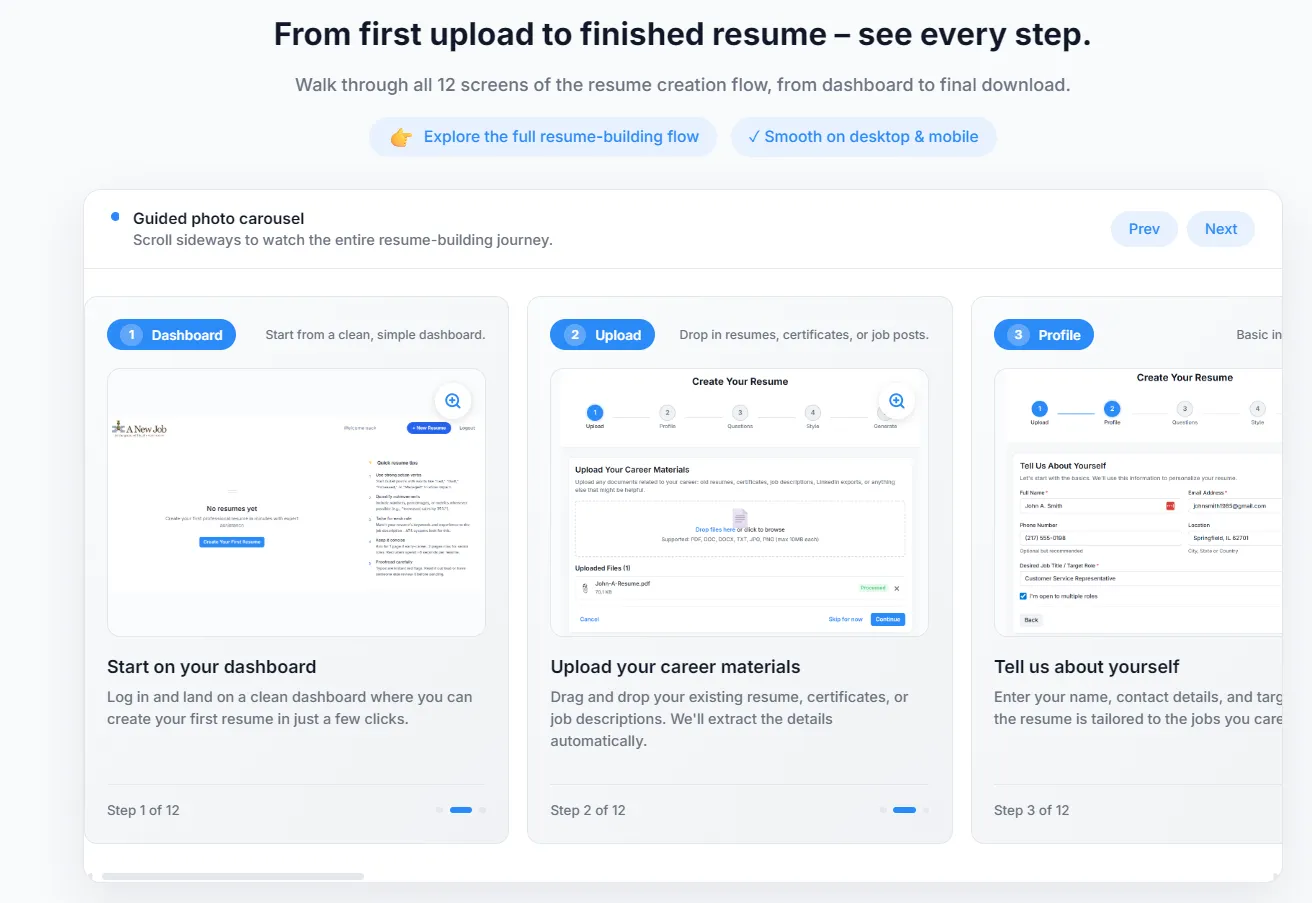
aNewJob.com is a guided, AI-powered resume workflow:
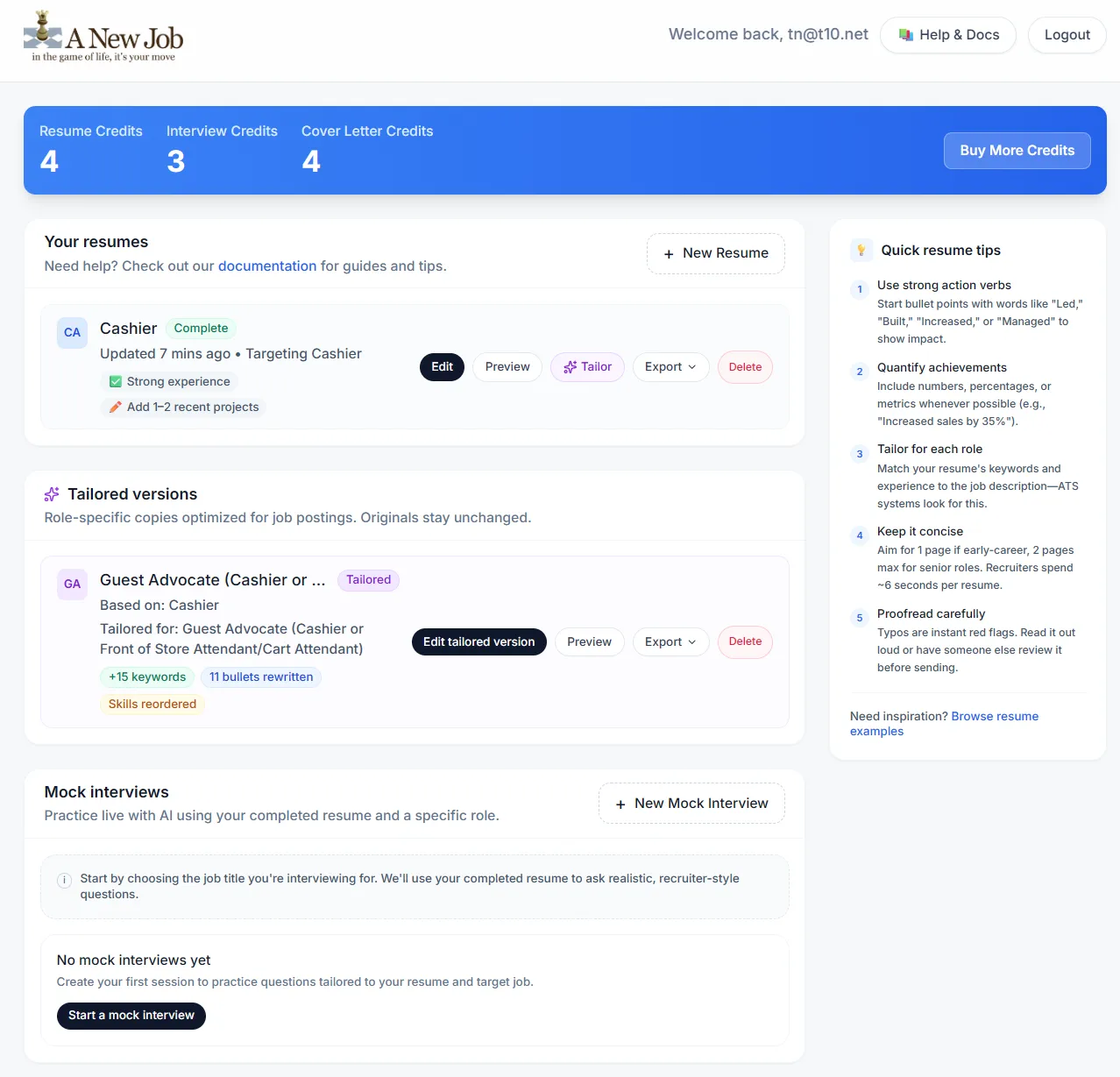
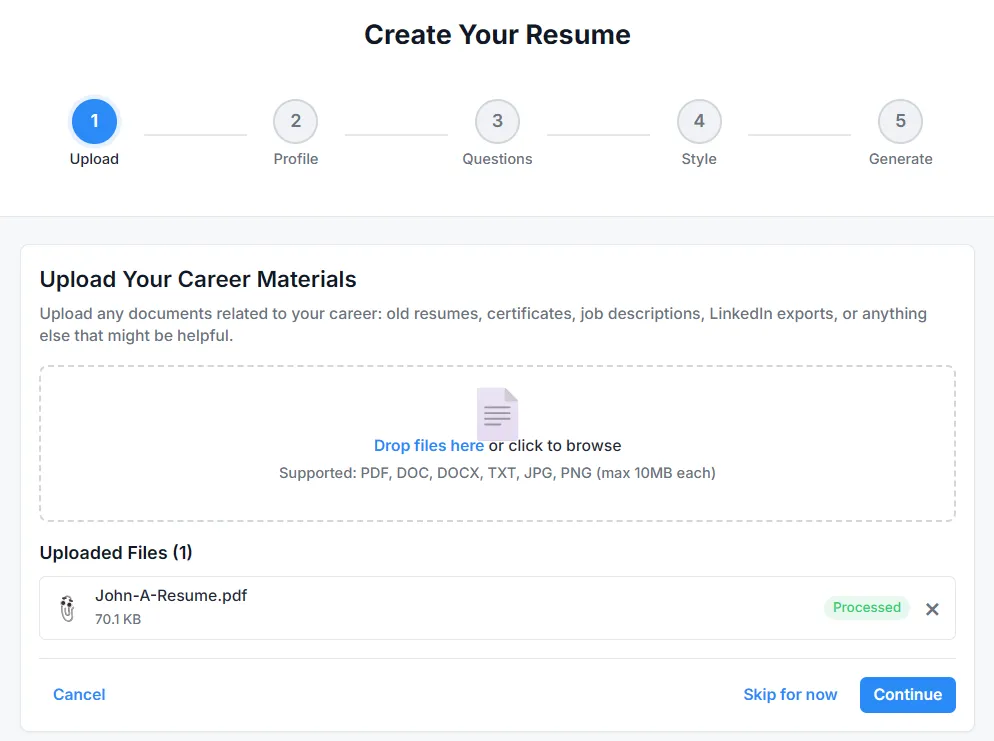
- Upload anything: PDF, DOCX, TXT, screenshots, LinkedIn exports
- AI extracts and structures the data
- Gap-detection questions (form or chat mode) fill missing details
- LLMs generate a polished, recruiter-ready resume
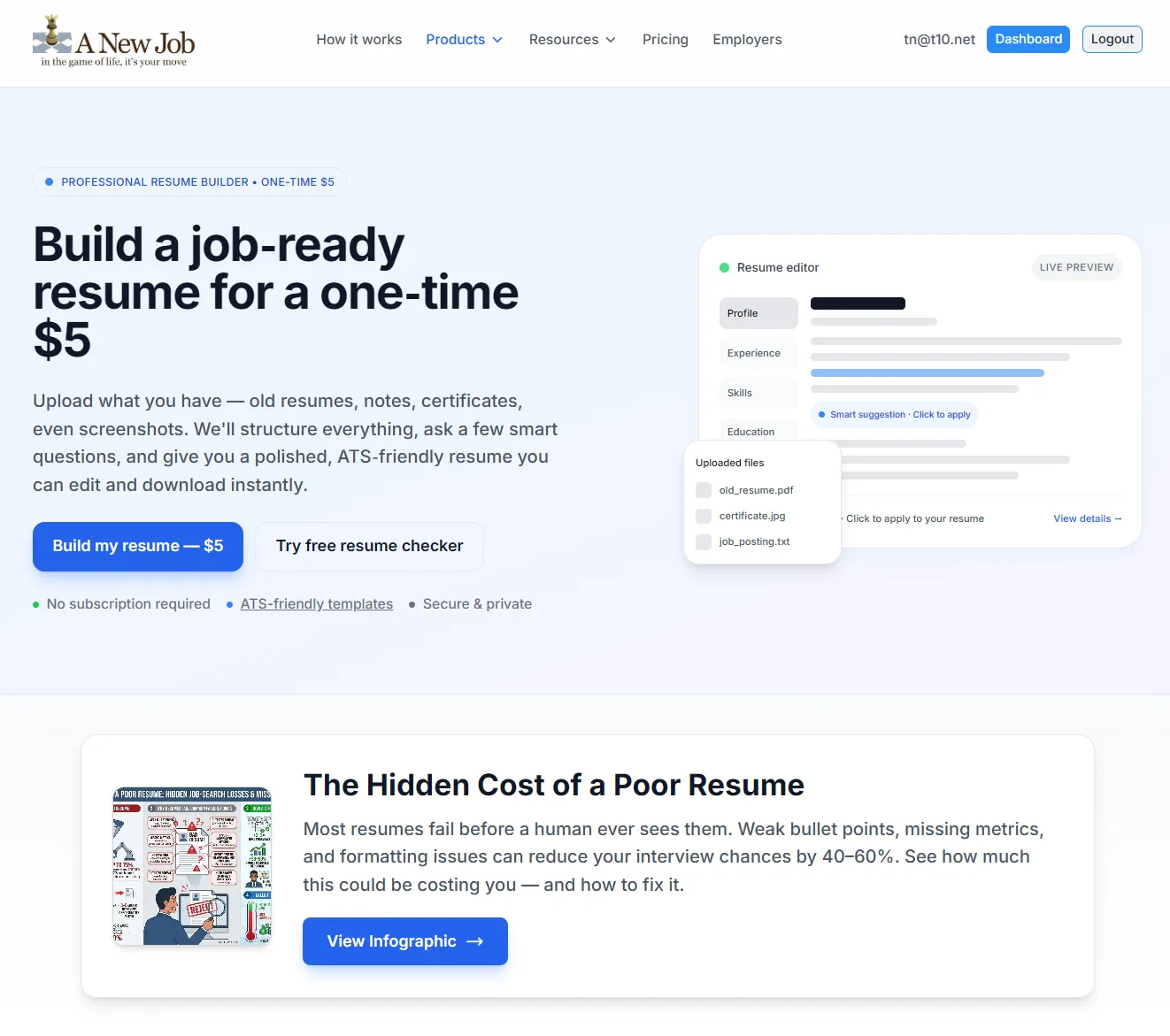
- Users edit in a real-time editor
- Download as PDF or DOCX
- Optional: mock interviews and cover letters
All of this is powered by a backend architecture built for accuracy, speed, and reliability, not just “magic.”
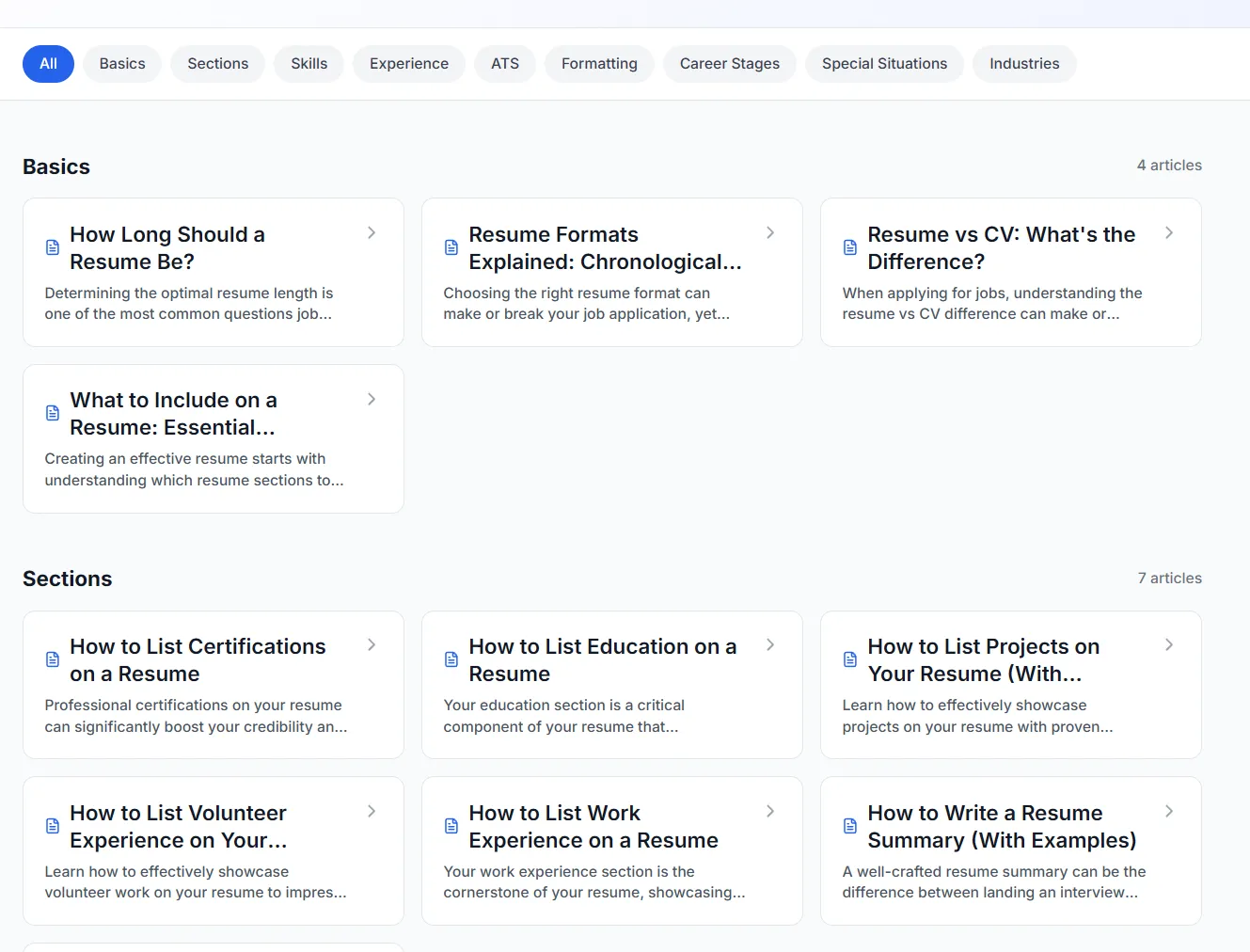
Screenshots:
Under the Hood — Architecture & AI Pipeline
This project builds on themes from our previous work around LLM orchestration, RAG, and vectorized structured extraction. The platform combines:
1. Multi-format ingestion
We handle PDFs, DOCX, text, and images with OCR. Text is normalized, segmented, and passed to LLMs for structured parsing.
2. Structured extraction (LLM as parser)
Instead of scraping text heuristically, we use LLMs as a deterministic extractor:
- GPT-o3-mini converts raw text → structured JSON
- Experience, dates, skills, education, certifications, projects
- Normalized schema written to Postgres
This mirrors a RAG pipeline but inverted: instead of embedding → retrieve, this is unstructured → structured → curated context → generation.
3. Gap-Detection Engine
Given extracted data, a model evaluates what’s missing:
- Employment dates
- Missing achievements
- Skills gaps
- Weak summaries
- Roles without responsibilities
This produces a small set (5–10) of targeted questions.
Users can answer them in:
Form Mode — traditional input fields
Chat Mode — conversational agent powered by Claude Sonnet 4.5
The chat mode uses a lightweight follow-up loop:
- LLM checks for missing specifics
- Generates clarifying questions when needed
- Normalizes user responses back into structured JSON
4. Resume Generation (LLM)
The final resume is generated using:
- Extracted data
- User answers
- Template preferences
- Tone (professional, impact-focused, academic)
Claude generates structured JSON that’s rendered into:
- Modern
- Classic
- Compact
templates with consistent HTML → PDF and DOCX export.
5. Real-Time Editor
A full in-browser editor with:
- Section-level editing
- Template switching
- Auto-save
- AI rewrite suggestions
Users stay in control — never stuck with a black-box output.
6. Fast, Production-Ready Layering
The platform uses reliability layers typically found in enterprise SaaS:
- SHA-256 hashing to de-duplicate uploads (cuts ~90% of reprocessing)
- Error handling and retries for LLM calls
- JSON repair utilities
- PostgreSQL session store
- Passwordless email auth
- Admin panel for live prompt updates
Technical Stack Summary
Frontend: React, Vite, TypeScript, Zustand Backend: Node.js, Express, TypeScript Database: PostgreSQL AI Models:
- GPT-o3-mini (extraction + questions)
- Claude Sonnet 4.5 (resume generation + conversation)
Infrastructure: systemd, nginx, Puppeteer for PDF, DOCX engine
LLM & RAG Concepts Applied Here
This project brings together several patterns we focus on at t10.net:
RAG without the “R”
Instead of retrieval, the system generates a structured, queryable dataset from user uploads. That structured profile becomes the context window for later generation steps.
Deterministic JSON extraction
LLMs act as semantic normalizers, producing machine-consumable schemas instead of long-form prose.
Hybrid conversational & form-based UX
Chat mode uses follow-up logic similar to multi-turn retrieval chat.
Prompt lifecycle management
All prompts are editable live in an admin panel — no redeploy required.
Strict guardrails
Low temperature for extraction, higher for writing. JSON repair functions for malformed outputs. Retry logic for partial failures.
Lessons Learned
This project reinforced several ideas we’ve seen across multiple AI systems:
- Architecture matters more than model choice
- Users want control, not magic
- Reliability is a product feature
- Caching and guardrails are non-negotiable in production
- LLMs perform best when given structured context, not raw text
Live Demo
If you’re job hunting — or know someone who is — try the free 30-second checkup: 👉 https://anewjob.com/free-resume-checkup
Or start the full $5 resume builder here: 👉 https://anewjob.com
Have a workflow like this one?
Book a free AI planning call